

When people think about medication-assisted treatment for opioid use disorder, they often focus on the medication: methadone, Suboxone, or naltrexone. The medication gets you stable. It stops the cravings. It prevents withdrawal.
But medication is only part of the answer.
As Chief Medical Officer at CORAS Wellness, I tell people something that might surprise them: counseling is actually more important than the methadone.
That’s a strong statement coming from a medical doctor who prescribes medication every day. But it reflects a fundamental truth about addiction treatment: medication provides stability, but counseling provides transformation.
In this guide, I’ll explain why counseling is essential in treating opioid use disorder, how our medical and counseling teams work together at CORAS, and what comprehensive treatment actually looks like.
The Vehicle Metaphor: Understanding Medication’s Role
I use a simple but powerful metaphor to explain the relationship between medication and counseling to my patients.
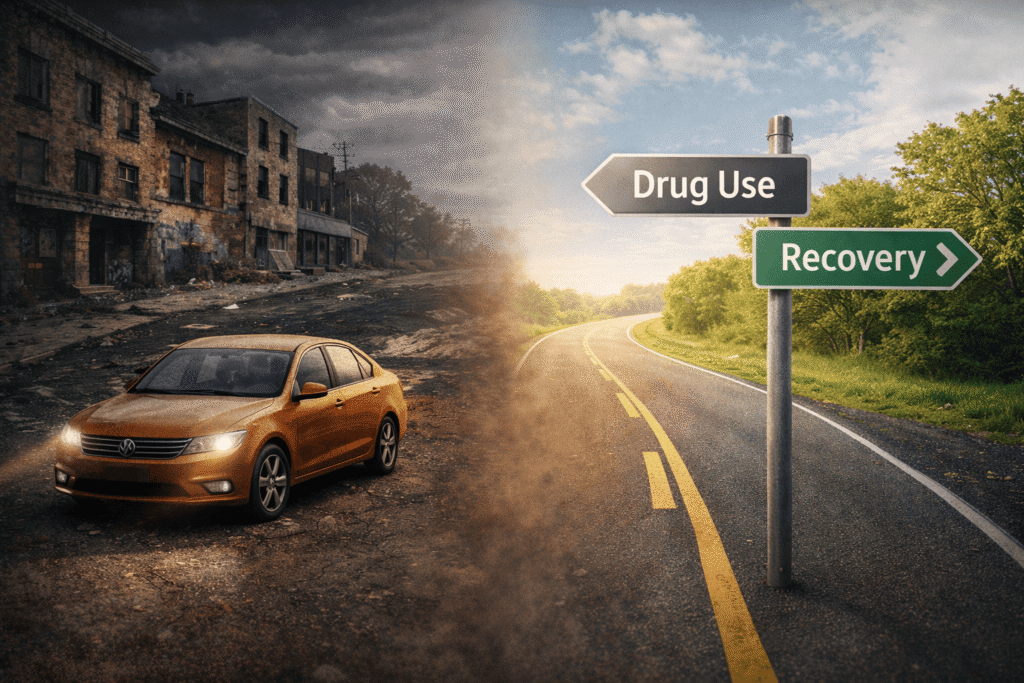
Methadone and Suboxone is like a vehicle that’s going to get you somewhere. I’m going to get you comfortable with this medication, but what matters is what do you do when you get to where you’re going? You have to start learning how to live a drug-free life. That’s where the counseling comes in.
Think about it this way: If you’re stuck in a dangerous neighborhood at night with no way out, the first thing you need is transportation. The medication is that transportation. It gets you safe. It gets you comfortable. It removes the immediate crisis.
But once you’re safe, you still need to figure out how you ended up in that dangerous place to begin with, and how to make sure you don’t end up there again. That’s what counseling does.
What Medication Does (and Doesn’t Do)
Medication for opioid use disorder serves critical functions. It:
Eliminates withdrawal symptoms
When you stop using opioids after long-term use, your body goes into withdrawal. The symptoms can be excruciating: sweating, nausea, muscle aches, anxiety, insomnia. Methadone can be started whether you’re in withdrawal or not and will prevent these symptoms. Suboxone must be started after you’re already experiencing withdrawal, but once you’re on a stable dose, it prevents withdrawal from returning.
Reduces cravings
Even after withdrawal ends, intense cravings can persist for months or years. These cravings are driven by changes in brain chemistry. Medication addresses this at a neurological level, reducing or eliminating the constant mental pull toward drug use.
Blocks euphoria from other opioids
If you’re on methadone or Suboxone and you use heroin or fentanyl, you won’t get high the way you used to. The medication occupies your opioid receptors, blocking other opioids from fully activating them.
Restores normal function
The medication helps normalize brain chemistry, allowing you to function normally throughout the day without the chaos of active addiction.
With the methadone, I can keep you comfortable. But the things that are surrounding the reason for your use has to be dealt with in counseling.
What Counseling Addresses: The “Why” Behind Drug Use
Medication keeps you physically stable. But it doesn’t answer the deeper questions:
Why did you start using opioids in the first place?
For many people, opioid use began as a way to cope with pain, whether physical pain from an injury or emotional pain from trauma, loss, or mental health conditions.
What triggers your cravings?
Cravings aren’t random. They’re often triggered by specific people, places, emotions, or situations. Counseling helps you identify these triggers and develop strategies to handle them without using drugs.
What unresolved issues are you carrying?
Trauma, abuse, family conflict, legal problems, mental health conditions—these issues don’t disappear just because you stop using drugs. If they’re not addressed, they become relapse risks.
How do you build a life worth staying sober for?
Recovery isn’t just about not using drugs. It’s about building a life that feels worth living: relationships, purpose, stability, hope.
You have to start learning how to live a drug-free life. That’s where the counseling comes in.
How Medical and Counseling Teams Collaborate at CORAS
One of the strengths of our MAT outpatient program is the close collaboration between our medical providers and counselors. We don’t work in silos. We work as a team, with you at the center.
Regular Communication
We confer regularly, especially when it comes to patients who are struggling.
If your counselor sees that you’re having a hard time – having trouble staying clean, dealing with life stressors that might lead to relapse – they don’t just wait and hope it gets better. They reach out to me and the medical team.
Joint Treatment Planning
When a patient is struggling, our response is coordinated. If a counselor sees the patient is struggling, they would contact me and say, “Hey, this patient is really struggling. What can we do?” And sometimes we’ll have a meeting together with the patient, the counselor, and the nurse, and we will have a plan going forward.
This might include:
Adjusting medication dose
If you’re still experiencing cravings or discomfort, your methadone or Suboxone dose might need to be increased. Your counselor’s observations help us make these decisions.
Restricting take-home privileges
If you’re testing positive for other drugs or showing signs of relapse, daily clinic visits might provide more structure and accountability than take-homes would.
Referring to inpatient treatment
Sometimes outpatient treatment isn’t enough. If you’re in crisis or your life circumstances make it impossible to stay clean in your current environment, we might recommend our inpatient drug rehab program for more intensive support.
Connecting with case management
Housing instability, legal issues, lack of employment, these practical problems can derail recovery. Our case managers help address these barriers.
The Difference Between CORAS and Other Treatment Options
This integrated approach is what sets programs like CORAS apart from simply getting a prescription from a primary care doctor.
Most primary care doctors mean well, but they don’t have a way of enforcing counseling, and they don’t have counselors in their units, in their program. So all they’re doing is prescribing the medication.
Prescribing medication alone is better than no treatment at all. But it’s not comprehensive treatment.
Federal law actually requires that patients receiving methadone through an opioid treatment program must have access to counseling services. This isn’t optional, it’s part of the standard of care because the evidence is clear: medication plus counseling works better than medication alone.
What Happens in Counseling Sessions
Counseling in MAT programs isn’t just someone asking “how are you doing?” and moving on. It’s structured work that addresses specific issues.
Individual Counseling
One-on-one sessions with a certified counselor give you space to:
Process trauma and past experiences
Many people with opioid use disorder have histories of abuse, violence, loss, or other trauma. Talking through these experiences with a trained professional helps reduce their power over you.
Develop coping skills
How do you handle stress without using drugs? How do you manage anger, anxiety, or depression? Individual counseling teaches practical skills.
Set and work toward goals
What do you want your life to look like six months from now? A year from now? Counseling helps you define realistic goals and break them down into achievable steps.
Address co-occurring mental health conditions
If you’re dealing with depression, anxiety, bipolar disorder, PTSD, or other mental health issues, these need treatment too. Our counselors work with our psychiatric providers to ensure you’re getting comprehensive care.
Group Therapy
Group sessions provide different benefits than individual counseling:
You’re not alone
Hearing other people share struggles similar to yours reduces shame and isolation. You realize you’re not uniquely broken or beyond help.
Learn from others’ experiences
Someone else in group might have found a solution to a problem you’re facing. Peer learning is powerful.
Practice social skills
Active addiction often damages relationships and social skills. Group therapy provides a safe place to practice communicating honestly, setting boundaries, and connecting with others.
Accountability
When you tell your group you’re working on something, there’s healthy pressure to follow through. People notice if you’re not showing up or if you’re struggling.
For patients who need more intensive support than weekly counseling, we also offer our PHP/IOP program, which provides multiple therapy sessions per week along with skill-building groups and psychiatric care.
The Brain Science: Why Willpower Alone Isn’t Enough
Willpower is not really something that works in addiction. If it could work, nobody would be an addict.
Long-term opioid use causes actual changes in your brain chemistry. With long-term drug use, there’s some changes in the brain that makes it impossible for the patient to just say, “I’m not going to use anymore.”
These changes affect:
The reward system
Your brain’s dopamine pathways, which normally respond to food, sex, or other natural rewards, become hijacked by drug use. Normal pleasures don’t feel rewarding anymore.
Decision-making and impulse control
The prefrontal cortex, responsible for judgment and self-control, functions less effectively. This makes it harder to resist impulsive urges to use, even when you know it’s harmful.
Stress response
Your body’s stress system becomes dysregulated. Small stressors feel overwhelming, and drug use becomes the automatic response to any discomfort.
Memory and learning
Your brain forms powerful associations between drug use and certain people, places, or emotions. These associations can trigger intense cravings even years into recovery.
Medication addresses some of these changes by stabilizing brain chemistry. But counseling teaches you how to work with your changed brain, not fight against it.
Environmental and Social Factors That Counseling Addresses
Brain chemistry is only part of the picture. Your environment matters enormously.
When people try to stay clean without addressing their environment, they often struggle. They are in the neighborhood where they used to use. They have friends, and they lose their guard. They think, “Oh, I can just try it one time,” and then they go down.
People, Places, and Things
This is addiction recovery 101, but it’s true: if you keep going to the same places, hanging out with the same people, and doing the same things you did when you were using, relapse is almost inevitable.
Counseling helps you:
Identify high-risk situations
Which people, places, or activities are most dangerous for your recovery? Sometimes the answer is obvious (don’t go to your dealer’s house). Sometimes it’s subtler (family gatherings where everyone drinks might be triggering).
Develop an exit strategy
What do you do if you unexpectedly run into someone you used to use with? What if you’re at a party and someone offers you pills? Having a plan in advance makes it easier to act in the moment.
Build a new social network
You can’t just eliminate all your old relationships without replacing them. Counseling, group therapy, and peer support help you build new connections with people who support your recovery.
Change your routine
If you used to get high every day after work, you need a new after-work routine. If you used when you were bored or lonely, you need new ways to fill that time.
The Psychological Component at Low Doses
I’ve had patients that have not been able to get off one milligram of methadone. At that point it’s now psychological. They derive a lot of benefit in coming to the program, in the counseling. We just work with them until they’re ready.
At one milligram, the medication is doing almost nothing pharmacologically. But the structure matters. The counseling matters. The sense of accountability matters. The connection to the treatment team matters.
And that’s okay.
Recovery isn’t about meeting arbitrary timelines or proving you can do it without support. It’s about what actually works.
Legal, Family, and Social Issues
Addiction doesn’t exist in isolation. It affects (and is affected by) every aspect of your life.
Legal Problems
Many of my patients have been in jail all their lives for drug use. Counseling helps address:
- Probation or parole requirements – Our counselors can coordinate with your probation officer and provide documentation of your treatment participation.
- Pending charges – Being in treatment can positively influence legal outcomes. Our team can provide letters to courts documenting your engagement in recovery.
- DUI/DWI charges – We also offer a specialized DUI and Alcohol Education Program for people dealing with alcohol-related legal issues.
Family Relationships
Addiction damages relationships. Parents lose custody of children. Spouses leave. Adult children stop speaking to their parents. Counseling provides space to:
- Process guilt and shame -The harm you’ve caused while using drugs is real. Counseling helps you face it honestly without being consumed by it.
- Learn how to rebuild trust – Trust isn’t rebuilt through promises. It’s rebuilt through consistent actions over time. Counseling helps you understand this process and stay committed to it even when it’s slow.
- Set healthy boundaries – Some relationships might not be salvageable, at least not right now. Learning to accept that and protect your recovery is part of the work.
- Involve family in treatment when appropriate – With your permission, family members can participate in sessions or receive updates about your progress. This helps them understand addiction as a medical condition and support your recovery more effectively.
What Success Stories Look Like
When somebody tells me, “Thank you, doctor. I feel so much better. I have a job now. I’ve gotten my children back,” there’s nothing that feels better than that. At that point I see that I’ve made a difference in somebody’s life.
These outcomes don’t happen because of medication alone. They happen because of the combination: medication providing stability, and counseling providing the tools to build a new life.
I see patients at our Delaware locations in Dover, Newark, Harrington, Millsboro, and Wilmington who:
- Get their children back from child protective services
- Find and keep employment
- Repair relationships with family
- Go months or years without using street drugs
- Manage co-occurring mental health conditions
- Stay out of jail
- Rebuild their sense of self-worth and purpose
None of this is guaranteed. Recovery is hard work. But with comprehensive treatment that includes both medication and counseling, it’s possible.
The Bottom Line: Medication Opens the Door, Counseling Keeps You Walking Through It
Medication for opioid use disorder is lifesaving. It prevents overdose deaths. It allows people to function. It’s an essential component of treatment.
But medication alone isn’t enough for most people to build lasting recovery.
You have to deal with the things that are going on that are leading to the drug use.
Counseling addresses those things. It helps you understand why you started using. It teaches you how to cope with stress, trauma, and triggers without drugs. It helps you build a life that’s worth staying sober for.
That’s why federal regulations require counseling as part of opioid treatment programs. That’s why CORAS integrates medical care and counseling into a single, coordinated program. And that’s why patients who engage with both medication and counseling do better than those who rely on medication alone.
If you’re considering treatment, don’t just look for a place that will prescribe medication. Look for a program that provides comprehensive care: medical treatment, counseling, case management, mental health services, and peer support.
That’s what treatment should look like. And that’s what works.
Ready to Start Comprehensive Treatment?
At CORAS Wellness, we provide integrated medication-assisted treatment that combines medical care with comprehensive counseling and support services.
We serve patients across Delaware at our locations in Dover, Newark, Harrington, Millsboro, and Wilmington.
📞 Call 833-886-2277 to speak with our treatment team and learn more about our comprehensive approach to opioid use disorder treatment.
Recovery is possible. You don’t have to do it alone. And you deserve treatment that addresses all of you, not just the addiction.
About Dr. Okechukwu Ernest Obua
Dr. Okechukwu Ernest Obua serves as Chief Medical Officer at CORAS Wellness & Behavioral Health, where he oversees medical care for all patients across the organization’s methadone, detox, and rehabilitation programs.
Originally from Nigeria, Dr. Obua trained in family medicine at Henry Ford Hospital in Detroit, where he developed a deep interest in addiction medicine after witnessing the confusion and inconsistency in how opioid prescriptions were handled. Since completing his residency in 1999, Dr. Obua has practiced addiction medicine exclusively, specializing in running methadone clinics as a medical director.
Dr. Obua holds the following board certifications and credentials:
- Diplomate, American Board of Family Medicine
- Diplomate, American Board of Addiction Medicine
- Diplomate, American Board of Preventive Medicine (Addiction)
- Fellow, American Society of Addiction Medicine (FASAM)
He attends the annual ASAM conference to stay current on new developments in addiction treatment and evidence-based practices.
His philosophy of treatment emphasizes the integration of medical care and counseling. Counseling is actually more important than the methadone. With the methadone, I can keep you comfortable, but the things that are surrounding the reason for your use has to be dealt with in counseling.
With more than 25 years of experience in addiction medicine and a deep commitment to his patients, Dr. Obua brings both clinical expertise and genuine care to his work at CORAS Wellness.
