

Your first day at Methadone, What to expect
 Coras Wellness And Behavior Health
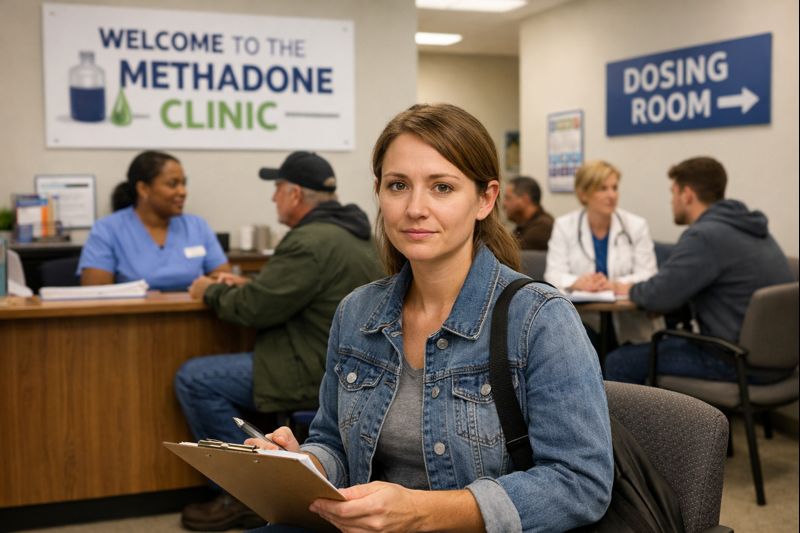
If you’re considering getting help for opioid addiction, one of the biggest questions you probably have is: what actually happens when I walk through the door?
This article is for anyone who’s thinking about seeking treatment but doesn’t know what to expect on that first day. Maybe you’re scared. Maybe you’ve put it off because the unknown feels overwhelming. Maybe you just want to know what you’re walking into before you make the call.
Here’s what you need to know from the start: when you walk into a methadone clinic, you’re not just signing up for medication. You’re entering a Medication-Assisted Treatment (MAT) program that combines medication with counseling, mental health care, and case management support. Methadone is one option, but MAT programs also offer other medications like buprenorphine (Suboxone), Sublocade, and Vivitrol. The medication is just one part of a comprehensive approach to treating the whole person.
This guide walks you through what happens during your first visit, the intake, the assessment, the medical evaluation, and how your first dose gets determined. It’s based on how things work at our Dover location, but you can also access MAT services at our Newark, Harrington, and Millsboro clinics.
The goal here is simple: to help you feel prepared and show you that the first day is designed to assess all your needs, not just your opioid use.
What Screening Means on Day One
When you first arrive, you’ll go through something called screening. This isn’t about judging you or turning you away. It’s about determining which medication is medically appropriate for your situation.
Not everyone who comes in needs methadone. Some people may be better suited for Suboxone, Vivitrol, or intensive outpatient treatment without medication.
During screening, you’ll take an instant drug screen and meet briefly with clinical staff. A medical provider will review your results and talk with you about your history of opioid use. They’re looking at factors like how long you’ve been using, whether you’ve overdosed before, and whether you’re at high risk of overdose.
Recently, a young woman came to the Dover clinic requesting methadone. After the medical doctor reviewed her drug screen and spoke with her, the clinical team determined that methadone wasn’t the most appropriate course of treatment. Instead, they offered her intensive outpatient treatment and substance abuse counseling. The point is this: medications like methadone and Suboxone are effective, but they’re controlled substances. Clinics want to make sure the right medication is matched to your situation before moving forward.
The Intake Phase: Paperwork, Orientation, and Your Counselor
Intake is the administrative and orientation phase. You’ll sign consent forms that allow the clinic to treat you and explain your rights as a patient.
You’ll also receive a program handbook that explains how the MAT program works, what the rules are, what services are available to you, and what you can expect in terms of dosing schedules and counseling.
Think of this as your orientation. It can feel like a lot of paperwork, but it’s setting the foundation for everything that comes next. Staff will walk you through it and answer questions as they come up.
You’ll also be assigned to a counselor during intake. This is the person you’ll meet with regularly as part of your treatment plan. At the Dover clinic, there’s a core team of certified alcohol and drug counselors and a licensed clinical social worker who work directly with patients.
The Assessment: Understanding Everything That’s Happening in Your Life
After intake comes the assessment. This is the most time-intensive part of your first day, but it’s also one of the most important.
The assessment is called a biopsychosocial assessment, which means it looks at your biological health, psychological well-being, and social circumstances. The goal isn’t just to confirm that you have an opioid use disorder. The goal is to understand everything else that’s going on in your life so that your treatment plan can address all of it.
This is what makes MAT different from just getting medication. As one site director put it, methadone or Suboxone is “one leg in the stool.” Unless you’re treating all the other dimensions of someone’s life—mental health, housing, legal issues, employment—the success rates and probability for positive outcomes aren’t going to be as good.
Your counselor will go through your full history, covering areas like:
-
- Physical health: Are there medical conditions that need attention? Chronic pain? Other health concerns?
-
- Mental health: Do you have depression, anxiety, bipolar disorder, PTSD, or other mental health conditions? Are you currently taking medication for them?
-
- Housing stability: Do you have a safe place to live? Are you at risk of homelessness? Are you living in an environment where drug use is happening around you?
-
- Legal or child welfare involvement: Are there open cases? Court dates? Custody concerns with DFS?
-
- Employment: Are you working? Looking for work? Do you need help finding stable employment?
-
- Recovery environment: Do you have supportive people in your life, or are you surrounded by others who are still using?
The assessment uses something called the ASAM criteria, which is a standardized tool that helps clinicians determine the appropriate level of care.
This assessment drives what’s called your recovery plan. In order to get good outcomes, the plan needs to align with your actual needs. If mental health is a concern, you’ll be connected with one of the psychiatric nurse practitioners or medical doctors on staff. If housing is unstable, case management will help you find resources or make referrals to recovery housing. If your environment isn’t supportive of recovery, the team will explore options to change that.
The assessment can feel long, and sometimes emotionally exhausting, but it’s not meant to be intrusive. It’s meant to make sure that when you leave that day, you’re getting a comprehensive plan that treats the whole person.
The Medical Visit: Your Physical, Labs, and Meeting the Doctor
On your first day, you’ll also go through a comprehensive medical evaluation. Here’s what that includes:
-
- Drug screen: Confirming what substances are in your system
-
- Full physical exam: A complete check of your overall health
-
- Lab work and bloodwork: To screen for underlying health conditions
-
- Meeting with the nurse: To review your medical history, current medications, and any immediate health concerns
-
- Virtual meeting with the medical director: At the Dover clinic, this is Dr. Okechukwu Ernest Obua. He meets with every new patient personally on their first day. He’ll ask his own set of questions, review everything that’s been gathered so far, and make the final determination about which medication is appropriate and what your starting dose should be.
This meeting matters. It’s not a quick consultation. The medical director wants to understand your history, your goals, and your concerns before prescribing anything.
How Your Starting Dose Gets Determined
Once the medical director has reviewed everything, he’ll select your starting medication and dose based on your individual needs—how much you’ve been using, how long you’ve been using, your body weight, and other medical factors.
If you’re starting on methadone or Suboxone, the starting dose is conservative. The goal is safety. Over the first few weeks to a month, your dose will be adjusted. The clinical team will check in with you regularly to see how you’re feeling. Are you still experiencing cravings? Are you going through withdrawal? Are you feeling sedated or uncomfortable?
This process is called stabilization. It’s about finding the medication and dose that keeps you comfortable throughout the day without cravings or withdrawal, but without making you feel “high” or overly sedated.
Stabilization doesn’t happen overnight. It takes time, and it requires honest communication between you and your medical team.
What the First Few Weeks Feel Like
Many patients describe the first few weeks in the MAT program as a shift from chaos to structure.
When you’re in active addiction, life is consumed by the need to find money, avoid withdrawal, and keep using just to feel normal. As one counselor explained, many people reach a point where they’re not even using opiates to get high anymore, they’re using just to get to baseline so they can function at all.
That creates chaos. It affects your relationships, your job, your family, your sense of self. It causes problems with employers who start to notice. It strains every interpersonal relationship.
MAT breaks that cycle. The medication provides relief from cravings and withdrawal. The clinic opens at 5:00 a.m., so you can get your dose before work or other responsibilities. Once your dose is stable, you should feel comfortable throughout the day. You’re not chasing the next fix. You’re not in constant fear of withdrawal.
During the first week, if you’re on methadone or Suboxone, you’ll come to the clinic five days a week for daily dosing. Everyone gets Saturday and Sunday doses to take home so they can be with their families. You’ll start meeting with your counselor and begin building relationships with the medical and clinical staff.
As long as you engage in the counseling and other services, life should become less chaotic.
What People Are Most Afraid of (And What You Should Know)
“Am I just replacing one drug with another?”
This is one of the most common concerns. The truth is that medications like methadone and Suboxone are prescribed to allow you to function normally. They don’t produce a high when taken as directed. The goal is stability, not intoxication.
You’re not “trading one addiction for another.” You’re using a medical tool to manage a chronic condition while you work on the underlying issues through counseling, therapy, and support.
These medications aren’t a silver bullet. They’re one part of the treatment. But when combined with counseling, mental health care, and support services, they can be highly effective.
“What if I’m not ready?”
If you’re considering walking through the door, you’re ready enough. You don’t have to have everything figured out. You just have to take the first step.
The staff understands that recovery doesn’t follow a straight line. They’ll meet you where you are.
“What if they judge me?”
The clinical team isn’t there to judge you. They’re there to help.
At the Dover clinic, the site director knows most of the patients on a first-name basis. The staff sets out coffee, refreshments, and soup. They create an environment where people feel welcomed, not shamed. There should be no stigma about getting help.
“What if I’ve tried treatment before and it didn’t work?”
Many people need multiple attempts before finding what works. Past failures don’t disqualify you from trying again. The structure, counseling, and support available now may be different from what you experienced before.
“What if I have mental health issues too?”
That’s common, and it’s expected. The assessment is designed to identify co-occurring mental health conditions like depression, anxiety, bipolar disorder, schizophrenia, or PTSD. The clinic has psychiatric providers on staff who can prescribe medication and provide therapy.
Unless you’re treating mental health alongside opioid use disorder, the treatment won’t be as effective. That’s why MAT programs address both.
“What if I’m homeless or don’t have insurance?”
Homelessness is not a barrier to treatment. The clinic accepts DSAM, which covers uninsured individuals in Delaware at no cost. Case managers can also help connect you with recovery housing.
Quick Answers to Common First-Day Questions
Can I start the same day I walk in?
Yes, depending on clinic capacity and medical availability. The screening, intake, assessment, and first dose can all happen within the first visit.
How long does the first visit take?
Plan for several hours. The assessment is thorough, and the medical evaluation takes time.
Do I have to be in withdrawal to be evaluated?
No. You don’t need to be actively in withdrawal to come in for an assessment.
What if I’m nervous or don’t know what to say?
That’s normal. The staff are trained to ask the right questions and make you feel as comfortable as possible. Just be honest.
What happens after I get my first dose?
If you’re on methadone or Suboxone, you’ll come back the next day for your second dose. Over the first few days and weeks, the medical team will adjust your dose based on how you’re feeling.
What if I relapse during the first week?
Relapse doesn’t mean you’re kicked out. It may mean adjusting your treatment plan or increasing counseling support. The goal is always to help you stabilize, not punish setbacks.
Will I just be getting medication, or are there other services?
You’ll be enrolled in the full MAT program, which includes medication, individual counseling, group therapy options, access to psychiatric care for mental health, and case management for housing, employment, or legal support. The medication is just one piece.
Walking into a methadone clinic for the first time takes courage. It means admitting you need help, which is never easy. But it also means you’re taking responsibility for your life and your future.
The first day is designed to assess all your needs and connect you with the right services to treat the whole person. You’ll get medication to stabilize your cravings and withdrawal, but you’ll also get counseling, mental health support, and help with the other challenges in your life.
It’s not a quick fix, and it’s not without challenges. But it’s a step toward something better.
If you’re ready to take that step, know that there are people waiting to help you. You can walk into our Dover, Newark, Harrington, or Millsboro locations. The coffee’s on. The doctor will see you. And the path forward starts here.
